

ADHD in Women Checklist
Attention Deficit Hyperactivity Disorder (ADHD) is a very common mental health issue. Although it is usually called a childhood disorder however, it can also affect adults too.
Women are more likely to be affected by ADHD than men. This is probably due to many factors such as an increased frequency of symptom manifestation and a greater difficulty in friends, and co-existing anxiety and affective disorders.
1. Inattentional Signs
Doctors and medical professionals often overlook the inattentive type of ADHD because it's less apparent and less disruptive. This kind of ADHD can have a devastating effect on the lives of those who suffer from it as they become hyperactive or impulsive.
The symptoms of ADHD typically manifest prior to the age of 12, and can be accompanied by problems in any of the following areas that include social skills, concentration, or impulsivity. Inattentive ADHD can be caused by a range of causes like stress, genetics medication, as well as mental health issues.
Female hormones are released during menstrual cycles and puberty, which can affect how ADHD symptoms manifest. The levels of serotonin and dopamine, two brain chemicals essential for concentration, could drop in women during these times.
These hormonal changes can cause women to suffer more symptoms than their male counterparts. You may find yourself zoning out during conversation or forgetting important dates or deadlines, for example.
Inattention can be an extremely serious problem that can hinder someone's ability to complete daily tasks and can affect relationships with family and friends. It can also lead to feel anxious and depressed.
Many women who suffer from inattention ADHD are anxious about their condition, and they don't seek treatment. They may be worried about being criticized by others or feel that they're different from their peers.
They might be reluctant to voice their concerns , and might not be able to represent themselves in school or at work. These behaviors can lead to depression and isolation in women who have inattention ADHD.
There is a rising trend of girls and women who suffer from ADHD seeking treatment via Telehealth services, say experts. These services allow patients to access counseling and therapy online from their doctors.
This is a fantastic way for women with ADHD or inattention issues to receive the assistance they require. It also lets doctors tailor treatments to what each woman requires. Certain people with ADHD are able to manage their symptoms without medication. Others have to be prescribed a stimulant or non-stimulant drug.
2. Hyperactive Symptoms
ADHD, also known as attention deficit hyperactivity disorder (or ADHD), is a neurodevelopmental disorder that may hinder a person's ability and control their impulses. It can also affect their social skills and can lead to anxiety and disorganization.
Unfortunately, ADHD in women often is not recognized as such. This is due in part to the fact that it was previously believed to be mostly affecting men, but also due to the fact that symptoms manifest in girls and women differently than in boys.
ADHD can cause a person to be anxious and fidgety even when they are not in an environment that is likely to cause this behavior. This can make it more difficult for people to recognize that someone is having trouble paying attention or controlling their behavior.
These behavior patterns can make it difficult for people to get their work accomplished, or even get along with others. These behaviors can also cause anger or frustration, which can make ADHD worse.
The hormones of girls change as they begin puberty. This can exacerbate the symptoms of ADHD which makes it difficult for teachers and parents to identify if a girl struggles with these issues.
It is important to keep in mind that these changes may vary between days. So, certain symptoms may be more intense at certain periods of the month in comparison to others. This is particularly relevant for those who are more sensitive.
A girl's social "norms" and coping mechanisms can also affect ADHD symptoms. For example the girl could be more likely to feel socially isolated or conceal her symptoms by focusing on her appearance.
She may also be prone to not working as hard at the office or at school in order to get rid of her symptoms. This can impact the quality of her life.
This is a good reason to talk to your doctor about ADHD, and consider getting an assessment as soon as you can. You'll be more likely to get the assistance and support you need to live a fuller and more productive life.
3. Multiple symptoms
If you're struggling with ADHD Your life seems out of control and even the simplest tasks of daily life can appear impossible to complete. You may feel as if you're not meeting the expectations of others. This could lead to feelings of shame and low self-esteem.
In addition, women with ADHD often have difficulty socializing and making friends. They may find it difficult to make eye contact or be attentive to conversations in the event of a topic that is not of interest. They may have trouble reading body language or social cues.
They are also more likely to suffer from mood disorders and anxiety. This can cause their symptoms to become more severe. This can lead to depression as well as suicidal thoughts.
While ADHD is now more widely recognized but many don't have a precise diagnosis. This is due to several factors, such as differences in presentation and social norms. Girls are also equipped with coping mechanisms to hide their symptoms.
Gender bias is insidious and often prevalent. It affects how doctors view and label girls and women.
When examining children who suffer from ADHD, health professionals are more likely to look for hyperactive symptoms. This could leave out signs that are less obvious in women, which may result in them being mistakenly diagnosed with the same mental health issue.
It is essential to remember that core ADHD symptoms aren't personal shortcomings or character flaws. They are caused by actual differences in the way your brain functions.
A correct ADHD diagnosis is an essential step toward finding the right treatment. This could involve medications, cognitive behavioral therapy, and more that can help you comprehend the symptoms, and take back control of your life.
You can increase the quality of your life if you're a woman with ADHD. You may also find more effective ways to cope that can assist you in managing your disorder. This can help decrease anxiety and improve your mood. Your treatment provider can help you deal with the shame that comes with being diagnosed as ADHD.
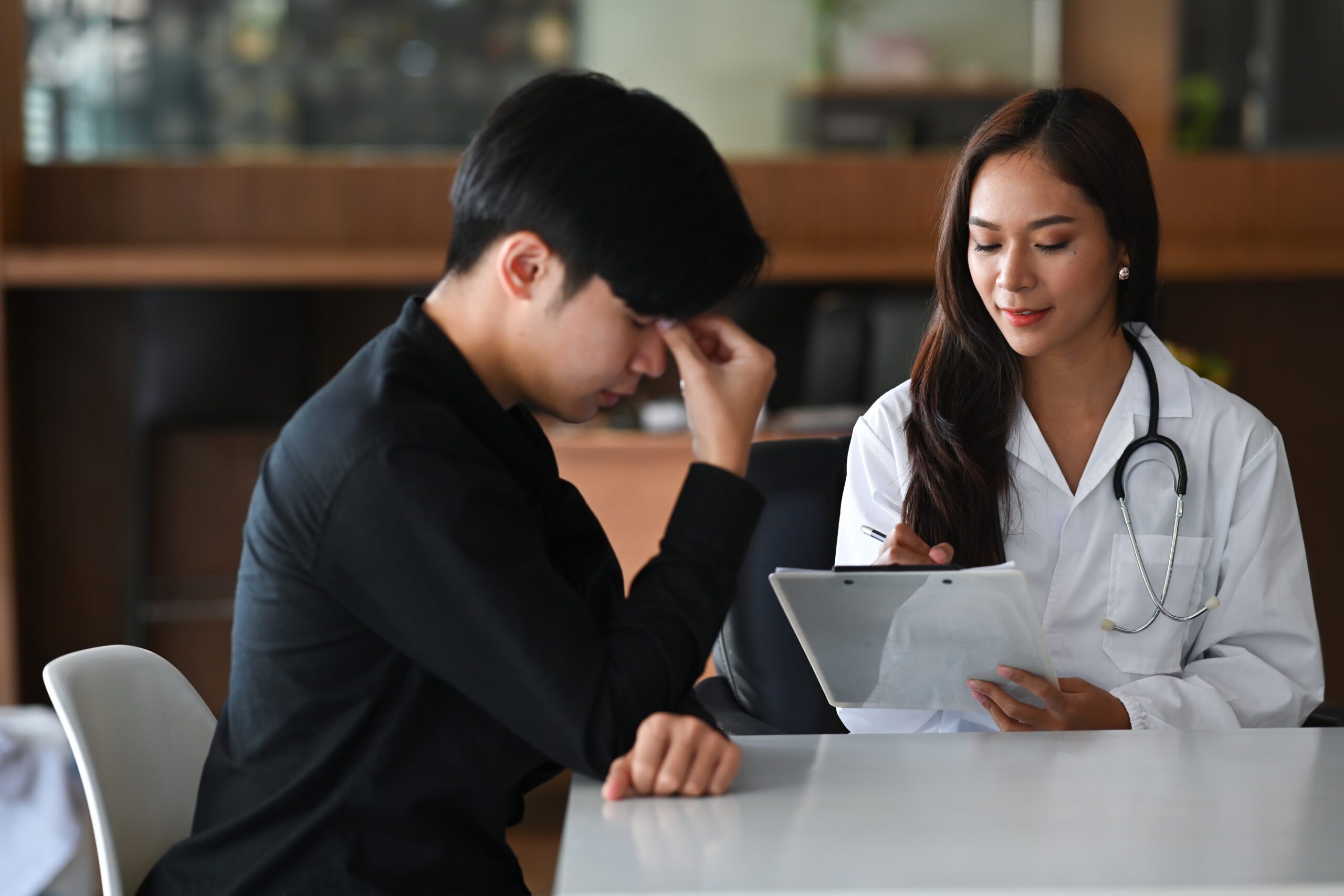
4. Emotional Concerns
Despite their intelligence and resiliency Many women with ADHD are afflicted by feelings of stigma. Their experiences and perceptions are determined by their own personal history of stigmatization and social norms regarding gender.
Stigmatization can have a negative effect on a person’s self-esteem and motivation to engage in their activities. It can also have a negative effect on their relationships.
For example, if you have ADHD you may find that your friends aren't understanding or accepting of your challenges or strengths. It is essential to establish healthy communication and listen to your companion.
It is also a good idea to take a break from time to take a break to recharge your emotional batteries. By taking time to recharge, it will help you manage anxiety and stress more effectively.
You might also find it beneficial to be aware of situations that make you react in a way that is positive. This will help you to come up with positive ways to handle these situations.
ADHD can also be linked with emotional dysregulation. These symptoms often come with a feeling of being overwhelmed by emotions that are heightened, such as sadness and anger.
ADHD women may have trouble controlling their emotions when they are angry or stressed. This can cause them to impulsively act out by making a statement or doing something insensitive.
They might also be more vulnerable to anxiety attacks, panic attacks, or chronic anxiety. This could be caused by an underlying mental illness, like posttraumatic stress disorder (PTSD) or an incident they've had to endure in the past.
Consult signs of adhd in women if you are experiencing stress or anxiety. Your doctor will be able to prescribe a medication that is safe and efficient for you, and also give you different strategies to help you manage the stress of life.
Being diagnosed with ADHD isn't easy but it's also possible to lead a full and enjoyable life with the disorder. If you're concerned about your symptoms and symptoms, ask your doctor to refer you to psychologist for an evaluation.